
 Concept illustration
Kitchen · Product candidate
OXO Good Grips Swivel Peeler
An everyday question for the shortlist. How does a straight peeler handle the length of a carrot?
View candidateExplore the first MR G SELECT shortlist. Three named candidates and 27 ideas for a more considered everyday life.
Explore the selectionConcept illustration
An everyday question for the shortlist. How does a straight peeler handle the length of a carrot?
View candidate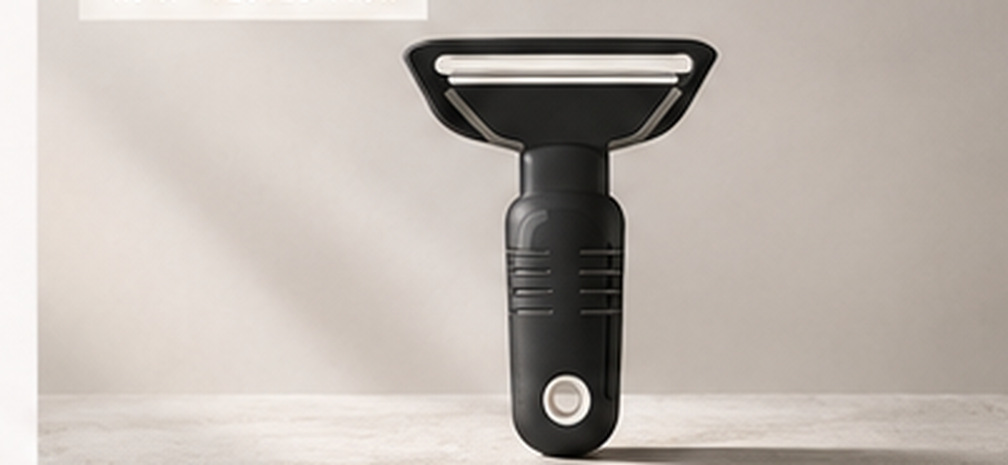 Concept illustration
The same kitchen task, a different hand position. We’re considering the Y shape alongside the swivel peeler.
View candidate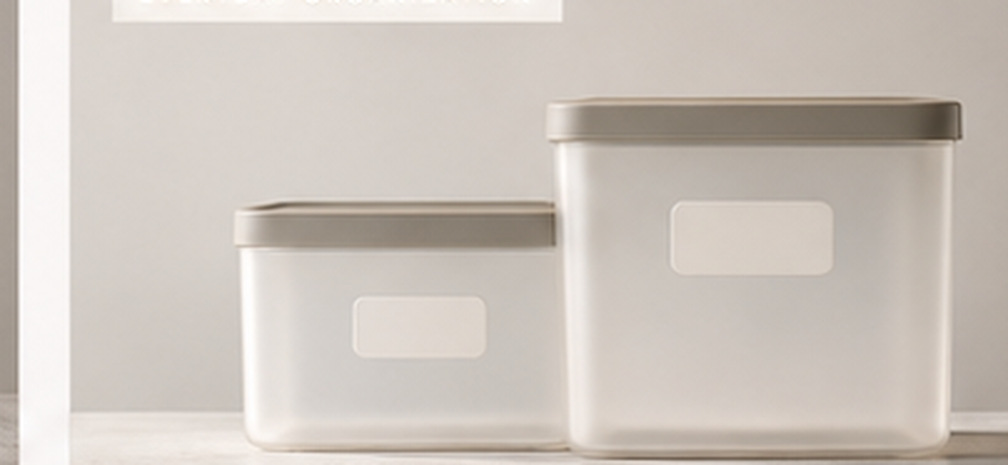 Concept illustration
A candidate for the pantry shelf. We’re interested in how easily one bin can be taken out of a full cupboard.
View candidateWe start with a small, everyday task. Does the tool fit the hand, the shelf or the suitcase? Those are the questions behind our first shortlist.
Three named candidates and 27 product ideas are under review. The images are concept illustrations. Our notes explain what we’d look for before recommending a specific item.
Showing 30 entries
Concept illustrationFor a long carrot, we’d look at the angle of the wrist, the length of each stroke and how easily peel clears the blade.
Concept illustrationFor a potato, we’d compare short strokes around the ends with longer strokes down the side. That’s where the Y shape might earn its place.
Concept illustrationA pantry bin needs to come out as easily as it slides in. We’d check shelf depth, hand clearance and space for the tallest packet.
 Concept illustration
A board needs room for the chopped onion as well as the knife. Usable surface, weight and space to dry are our starting points.
 Concept illustration
A tablespoon that fits the mixing bowl can still be too wide for the spice jar. We’d start with bowl width and legible markings.
 Concept illustration
Can you tell cumin from cinnamon on a crowded shelf? Label position and a wide enough opening for a spoon matter more than matching lids.
 Concept illustration
We’d start with the size on a real sofa, then look at the weave and the washing instructions for an everyday throw.
 Concept illustration
A guest towel and a bath towel ask different things of the fabric. We’d compare size, drying space and the care label.
 Concept illustration
A pump gets pressed with wet fingers. We’d check how steady the base feels and whether the opening leaves room for a refill.
 Concept illustration
For a basket beside the sofa, we’d check how the sides hold their shape and whether the handles still work when it’s full.
 Concept illustration
First measure the gap under the door. A mat also needs enough room for a full step inside and a practical way to clean it.
 Concept illustration
A good hook should make sense with a coat hanging on it. We’d look at spacing, projection and fixings for the intended wall.
 Concept illustration
Measure the inside of the suitcase before choosing a set. A useful cube should leave the zipper reachable after the other bags go in.
 Concept illustration
We’d check whether the bag opens flat on a narrow shelf and has room for the bottles people actually travel with.
 Concept illustration
At baggage claim, a tag should be easy to recognise. We’d look for a sturdy attachment and a cover over the owner’s contact details.
 Concept illustration
A spare bag spends much of its life packed away. We’d compare its folded size with the length of the handles when it’s full.
 Concept illustration
Seat backs differ. We’d check the thickness behind the neck, the support at the sides and how much room it takes in hand luggage.
 Concept illustration
The right stand starts with the laptop’s footprint. We’d check the support points, screen height and access to the charging port.
 Concept illustration
Lay out the keyboard and mouse before picking a mat. The usable depth and an edge that lies flat matter at a small desk.
 Concept illustration
Cable diameter is only half the question. We’d also check whether a wide plug fits through and whether a lead can be removed on its own.
 Concept illustration
For notes taken standing up, the cover matters. At a desk, we’d look at how the notebook opens and how the paper handles a favourite pen.
 Concept illustration
Start with the things that stray across the desk. A shallow tray for clips may be more useful than another tall pen compartment.
 Concept illustration
For a mat used on a hard floor, we’d check its grip on that surface, how the ends lie and how much space it needs when rolled.
 Concept illustration
We’d start with usable length, clearly identified resistance levels and care instructions that make the different bands easy to compare.
 Concept illustration
A travel towel has to fit both the bag and the drying rail. We’d compare packed size, unfolded coverage and the space it needs to air.
 Concept illustration
We’d compare the width and surface firmness against the intended exercise, then check where the roller will fit between sessions.
 Concept illustration
Measure the inside of the drawer, including its shallowest point. We’d look for dividers that leave room for fingers as well as cutlery.
 Concept illustration
A stack can fit the shelf yet leave too little space to lift a lid. We’d check the outside dimensions with lids in place.
 Concept illustration
A hanger should suit the garment’s shoulder width. We’d also compare the hook opening and how easily delicate fabric slips on and off.
 Concept illustration
A folded coffee bag is thicker than a snack packet. We’d compare the usable width of the jaws and the effort needed to reopen them.
We look for objects that solve a small problem well. A peeler should suit the way you hold a carrot. A storage bin should leave just enough space above the rim for your hand.
For each candidate, we plan to check the exact model, the seller and the pattern of owner feedback. We’ll look at recurring complaints alongside the praise before deciding what earns a place.
About this edition. Product images are concept illustrations. The shortlist currently contains no purchase or affiliate links. You can save an idea with the heart on its card. Your list stays in this browser.